Don't let comfort
shape your ambition
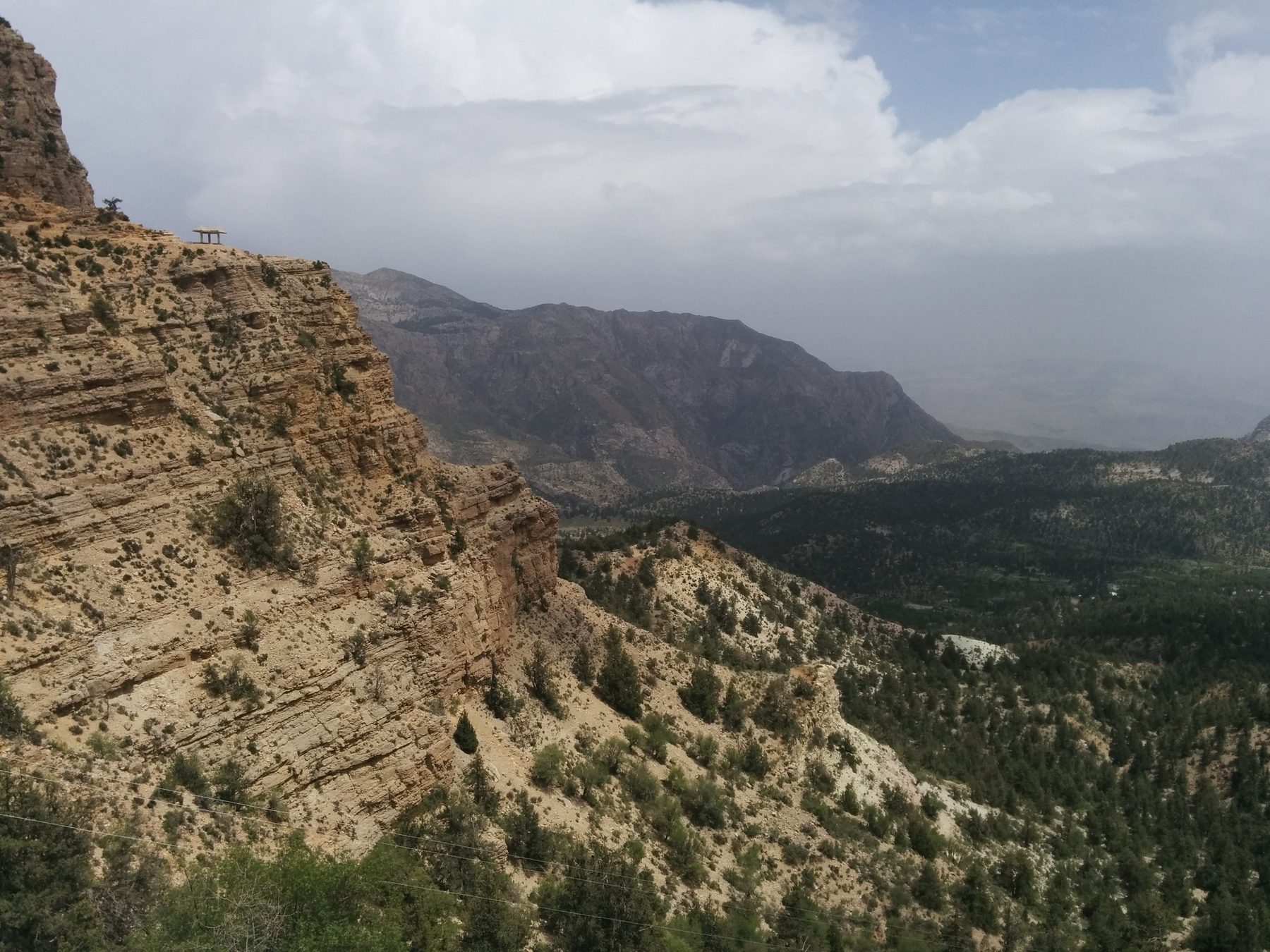
They weren't wrong. Balochistan is Pakistan's largest province, covering nearly half its landmass. Parts of it have no internet. The geography is severe, mountains, desert, coastal cliffs. Security incidents are frequent enough that entire districts go dark for days. People we respected, people who knew the terrain, told us: not yet.
The argument on the other side was quieter, but it was the one that mattered. Taleemabad was not started to make a comfortable product for comfortable places. It was started because children in the most remote corners of Pakistan are being failed, systematically, quietly, for decades. If we couldn't make this work in Balochistan, we were building the wrong thing.
I have to be honest. When I heard we had a chance to work there, I was the first one jumping up and down.
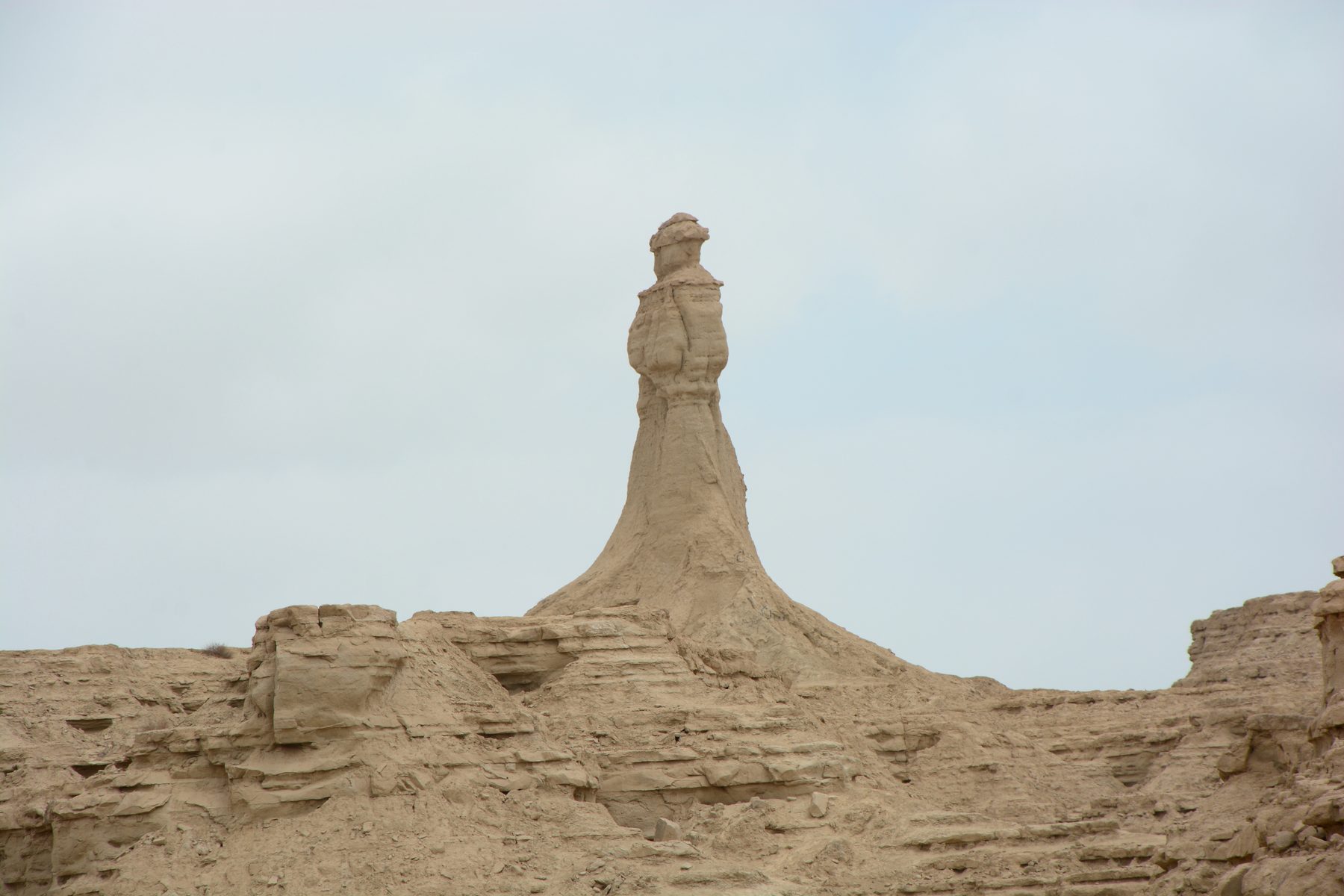
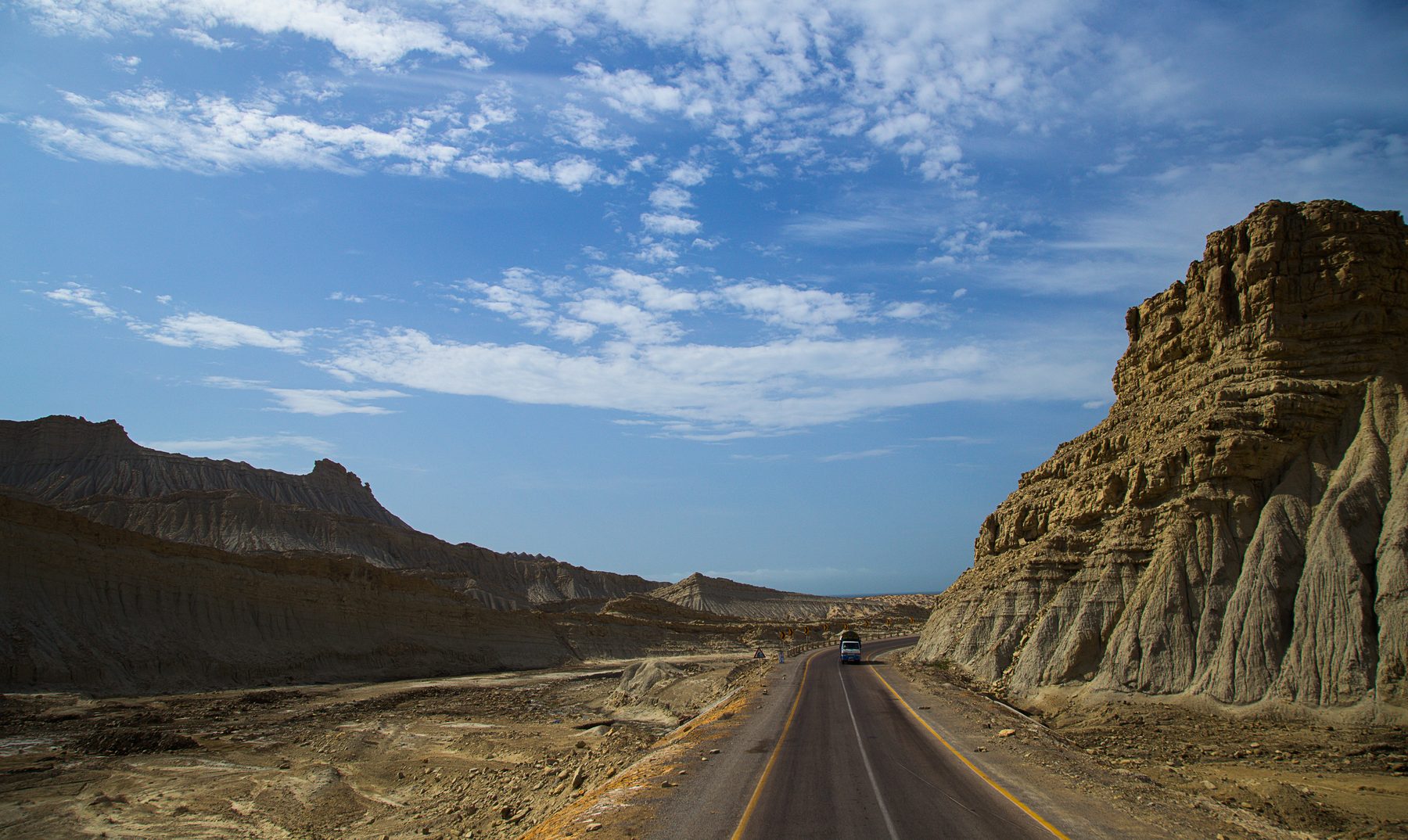
I've been to Balochistan as a child more times than I can count. My family used to drive the coastal highway, past fishing villages, past the Makran coast, all the way to the last town before the Iranian border. I've stood at the edge of Hingol and watched rock formations that look carved by a civilisation that forgot to leave its name. I've worn the clothes, eaten the food, been blown away by a province most of Pakistan knows nothing about.
When we went for work, I kept that kid in the back of my head. This is the place. Let's not mess it up.
The biggest province.
Pakistan's lowest literacy rate.
Secure every input
before you randomise
We arrived with a tidy plan. A proper randomised trial, four arms across the Zarghoon and Chiltan districts, structured lesson plans, video-based teacher training, in-person coaching, student assessments, at-home learning materials. Everything we'd built in Islamabad, packaged up and shipped south.
enrolled
arms
control group
in focus
Arms 1 and 2 became identical the moment the Textbook Board couldn't publish the materials in time.
The December training happened anyway, in bitter cold, during the holidays. The room was buzzing. I remember thinking: this is going to work. But teachers kept asking the same question, "What about our regular curriculum? When do we finish that?" We'd added a programme on top of an already-overstretched teacher. That was our mistake, not theirs.
We went through one door
and assumed it was the only one
We had anchored to one entry point and assumed that was the room. It wasn't even the building.
Map the room
before you enter it
We were summoned by a department we hadn't been working with. They told us our programme was too expensive, that continuous coaching was not how teacher training was supposed to work. Training, they explained, meant inviting master trainers to a venue, running a cascade, and going home. What we were doing was different. And different was expensive.
They wanted us to expand into five more districts. Same timeline. Same budget. I sat with the local team for three hours. We split into groups and came up with genuinely creative strategies, their resilience in that room is something I won't forget. But some of what was being asked simply wasn't possible, and pretending otherwise would have meant setting up another failure. We went back and said so.
A few weeks later, a formal letter arrived.
Stay after
the project ends
We did not accept it quietly. We built a stakeholder map, every department, every official, every person we'd met, every door we hadn't yet knocked on, and we worked through it. Eventually, we got a meeting with the Chief Minister of Balochistan.
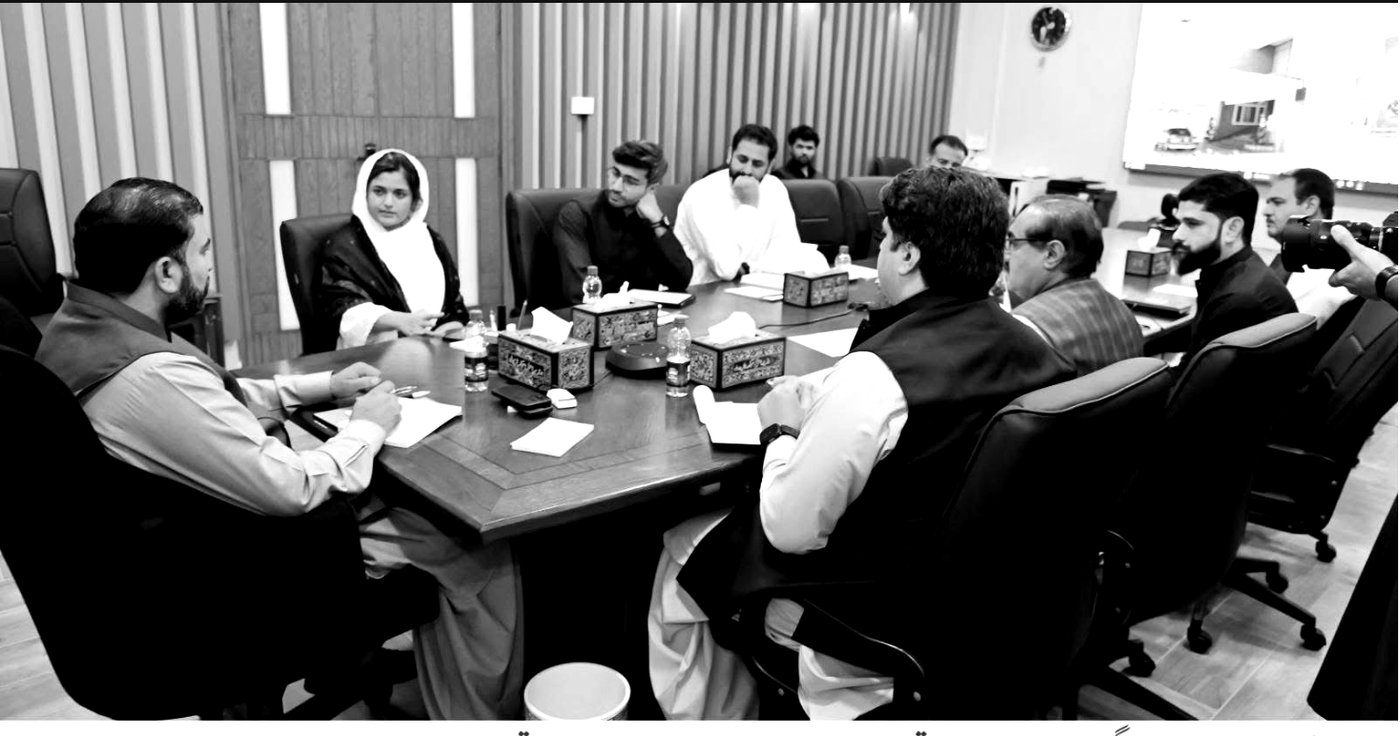
I won't pretend it was comfortable. The Secretary of Education was in the room, trying to show that we hadn't performed. We were there asking for one thing: let us finish. There were coaches we'd hired locally who were owed their salaries. There were schools mid-programme. Walking away would have meant abandoning them. That felt wrong.
They agreed to let us complete. The rest was messy, endline data collection had to be cut short when security disruptions kept survey teams from reaching every school. But we collected what we could.
What we measured anyway
World Bank DIME evaluation · 2026
proficiency
(pooled)
Only 53% of schools could be reached at endline, due to security disruptions. We carry that caveat honestly. Both bars compare treatment vs control at endline — the same time point. The gains are real: +15pp in Grade 2 Mathematics, +12pp in Word Problems (p<0.05).
The province that cancelled us
became the province that funded us
We kept two people in Balochistan after the programme ended. Their job was simple: keep meeting people. Different departments, different officials, different programmes. Stay visible. Show the work.
Months later, we were invited to a meeting at the World Bank's Islamabad office. Officials from Balochistan were there. We weren't on the agenda, we were just showing what we'd built since: a WhatsApp-based interface, AI-generated lesson plans, a digital coach teachers could actually reach on their phones. The reaction was not what we expected. They wanted to bring us back.
That invitation became the Winter School, where 70 teachers recorded 2,265 lessons, and the data revealed something we couldn't unsee.
Winter School
recorded
in 40 minutes
In October 2024, every advisor we trusted told us: don't go to Balochistan. The province that cancelled our programme became the province that funded our return. Sometimes the most important thing you can do is go to the wrong place at the wrong time, and stay long enough to be proven right.